
From Concept to Completion: The Landscape Design & Construction Process in Sonoma County
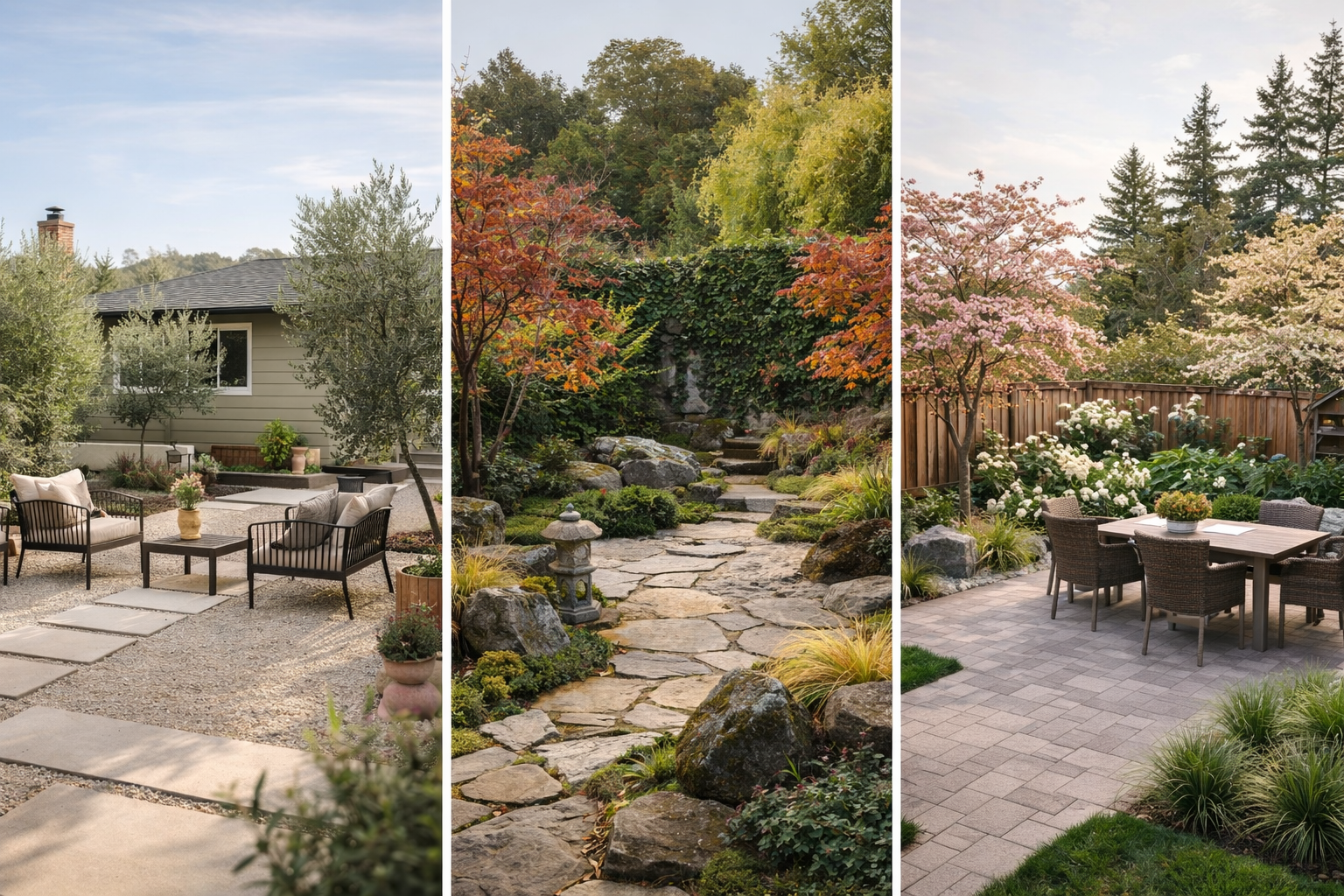
A professionally designed residential landscape showcasing the journey from concept to completion, featuring custom hardscaping, lush planting beds, outdoor living spaces, and drought-tolerant landscaping that enhances the beauty and functionality of a Sonoma County home.
Creating a beautiful outdoor space is about more than planting trees or installing a new patio—it’s about designing a landscape that complements your home, supports your lifestyle, and thrives in Sonoma County’s unique climate. A successful landscape project combines thoughtful planning, creative design, and skilled craftsmanship to deliver lasting beauty and functionality.
Whether you’re planning a complete backyard transformation, installing a custom Hardscape, or refreshing your front yard, understanding the landscape design-to-construction process helps set clear expectations and ensures a smooth, enjoyable experience from start to finish.
1. Initial Consultation: Bringing Your Vision to Life
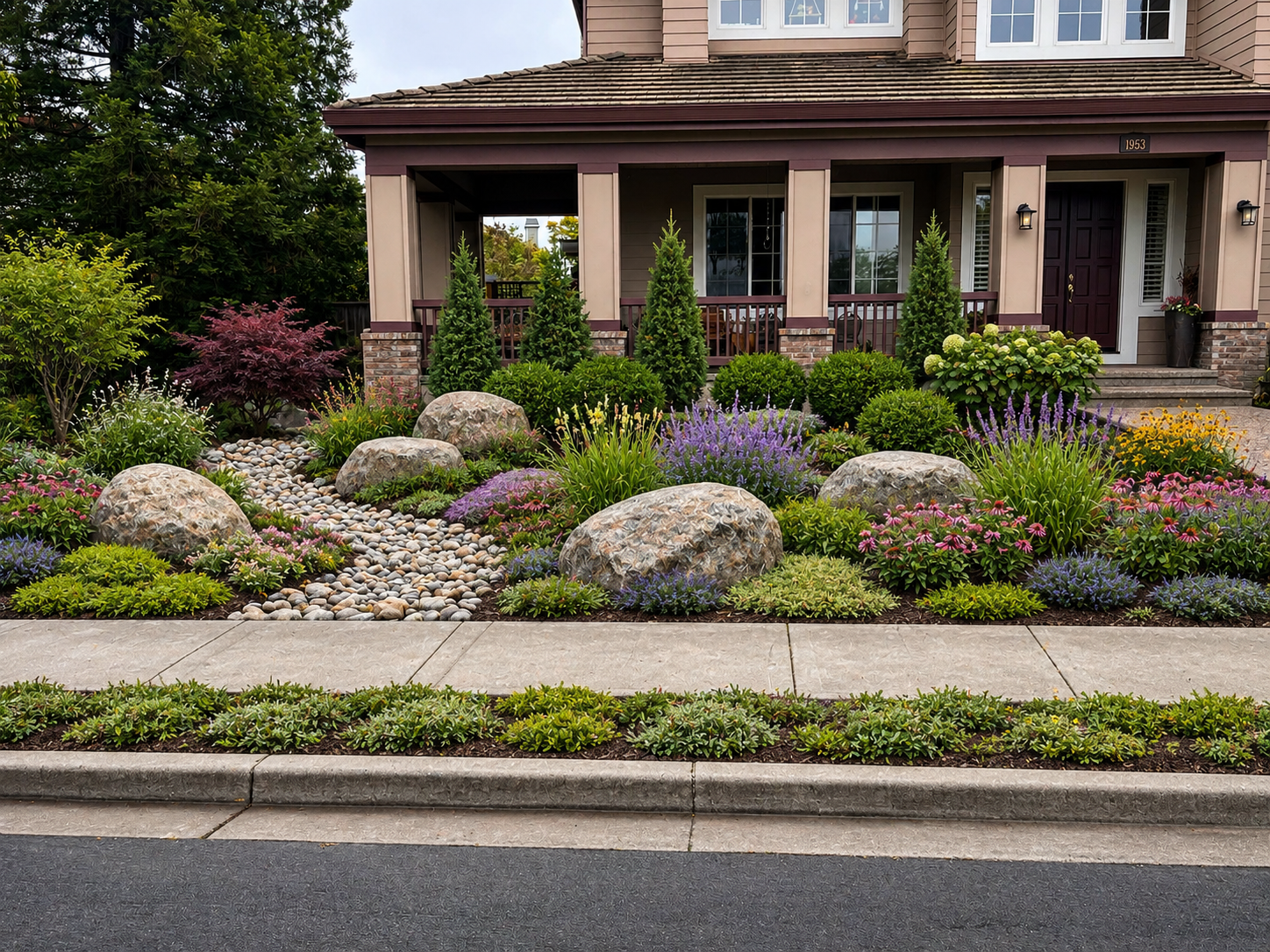
Professional landscape design, 3D Mockup in a Sonoma County frontyard showcasing the journey from concept to construction.
Every exceptional landscape begins with a conversation.
During the initial consultation, our team takes the time to understand your goals, lifestyle, and vision for your property. We discuss how you want to use your outdoor space, identify any challenges, and explore design ideas that fit both your style and budget.
Topics typically include:
Outdoor living goals
Privacy and screening needs
Shade and sun exposure
Drainage concerns
Entertainment areas
Plant preferences
Budget and project timeline
This collaborative meeting creates the foundation for a landscape designed specifically for you.
2. Site Analysis & Property Evaluation
Before any design work begins, we perform a detailed evaluation of your property to understand the opportunities and limitations of the site.
This includes:
Measuring existing structures and property features
Evaluating grades and slopes
Analyzing soil conditions
Studying sun and shade patterns
Identifying drainage issues
Locating utilities and access points
Documenting existing trees, shrubs, and hardscape elements
Accurate measurements ensure every aspect of the project is functional, efficient, and ready for construction.
3. Conceptual Landscape Design
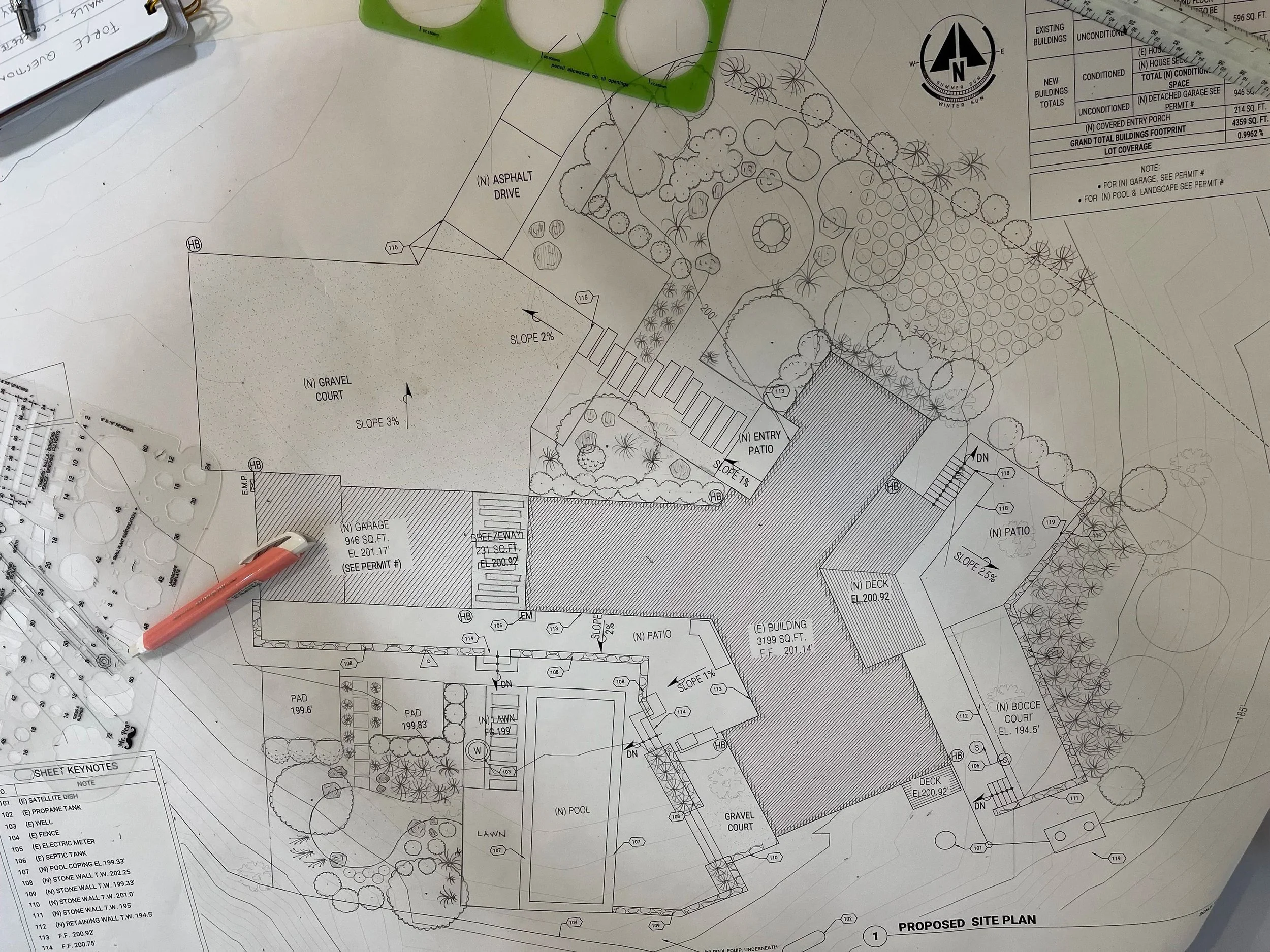
A professionally designed residential landscape featuring natural stone patios, lush planting beds, ornamental grasses, drought-tolerant plants, and thoughtfully designed outdoor living spaces that blend beauty, function, and sustainability.
Once the site analysis is complete, the creative process begins.
During the conceptual design phase, ideas are transformed into a visual plan that illustrates the overall layout and character of the project.
The concept may include:
Patio and walkway layouts
Outdoor living areas
Planting concepts
Lawn or artificial turf areas
Retaining walls and garden beds
Water features or fire features
Material and color palettes
This stage allows homeowners to visualize the project, provide feedback, and refine the design before final plans are developed.
4. Detailed Landscape Plans & Construction Documents
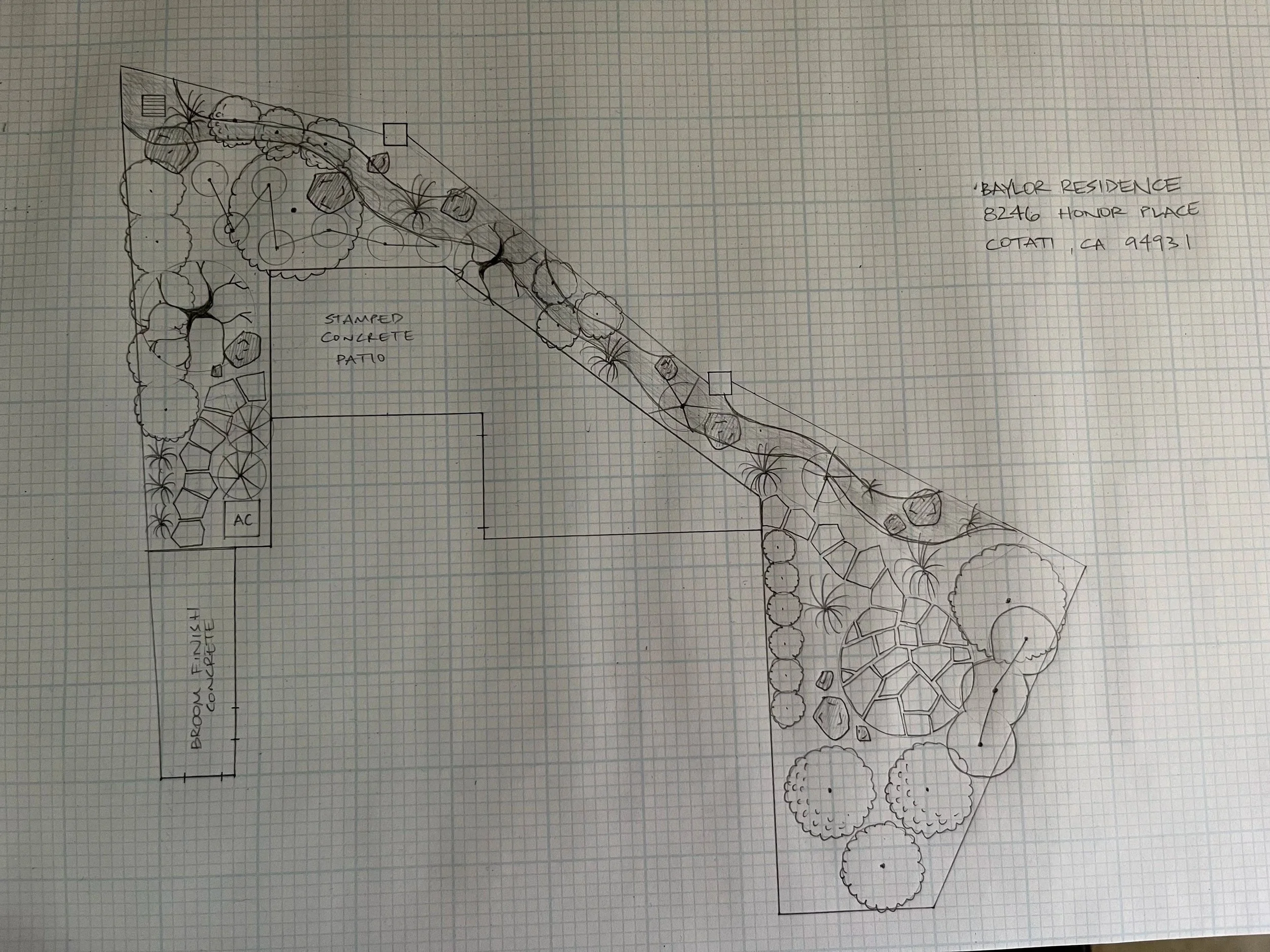
After the concept is approved, the design evolves into a detailed construction plan that serves as the blueprint for installation.
Construction documents may include:
Detailed planting plans
Irrigation Systems layouts
Outdoor Lighting plans
Hardscape dimensions and elevations
Grading and drainage plans
Material specifications
Construction details for walls, patios, steps, and other features
Comprehensive plans help minimize surprises during construction while ensuring every detail is built correctly.
5. Project Budget & Proposal
With finalized plans in place, a detailed proposal is prepared outlining project costs and construction timelines.
The proposal generally includes:
Materials
Labor
Equipment
Irrigation and lighting
Specialty landscape features
Estimated construction schedule
If necessary, the design can be adjusted to meet your budget without sacrificing functionality or long-term value.
6. Pre-Construction Planning
Before breaking ground, careful coordination ensures everything is ready for a successful installation.
This stage includes:
Ordering materials
Scheduling construction crews
Coordinating deliveries
Securing permits when required
Locating underground utilities
Final project scheduling
Thorough planning helps the construction process stay efficient and organized.
7. Landscape Construction
This is where the design becomes reality.
Our experienced installation team carefully follows the construction plans while maintaining open communication throughout the project.
Site Preparation
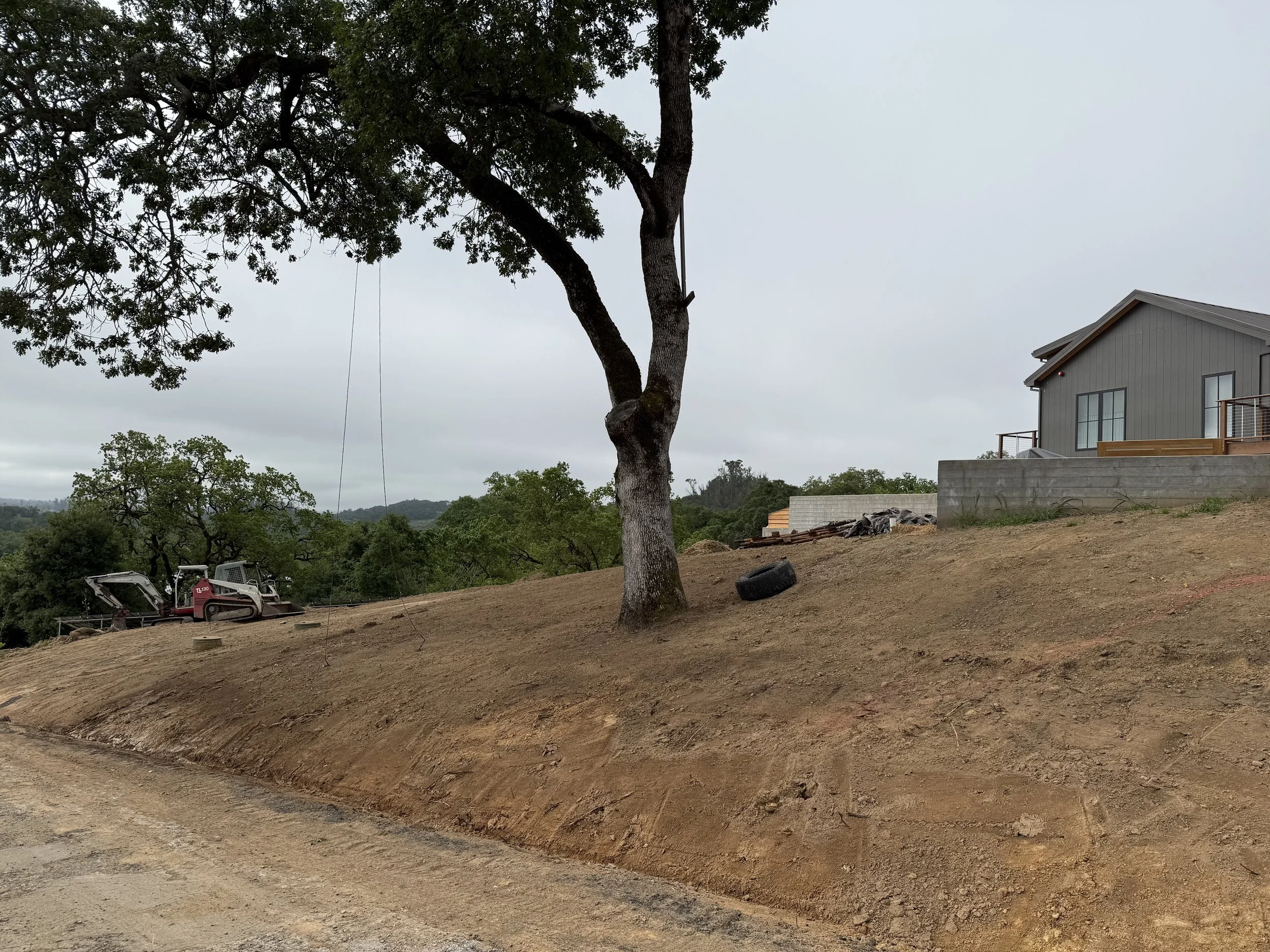
The project begins by preparing the site for construction.
This may include:
Demolition and removal
Excavation
Grading
Soil improvements
Drainage installation
Hardscape Installation
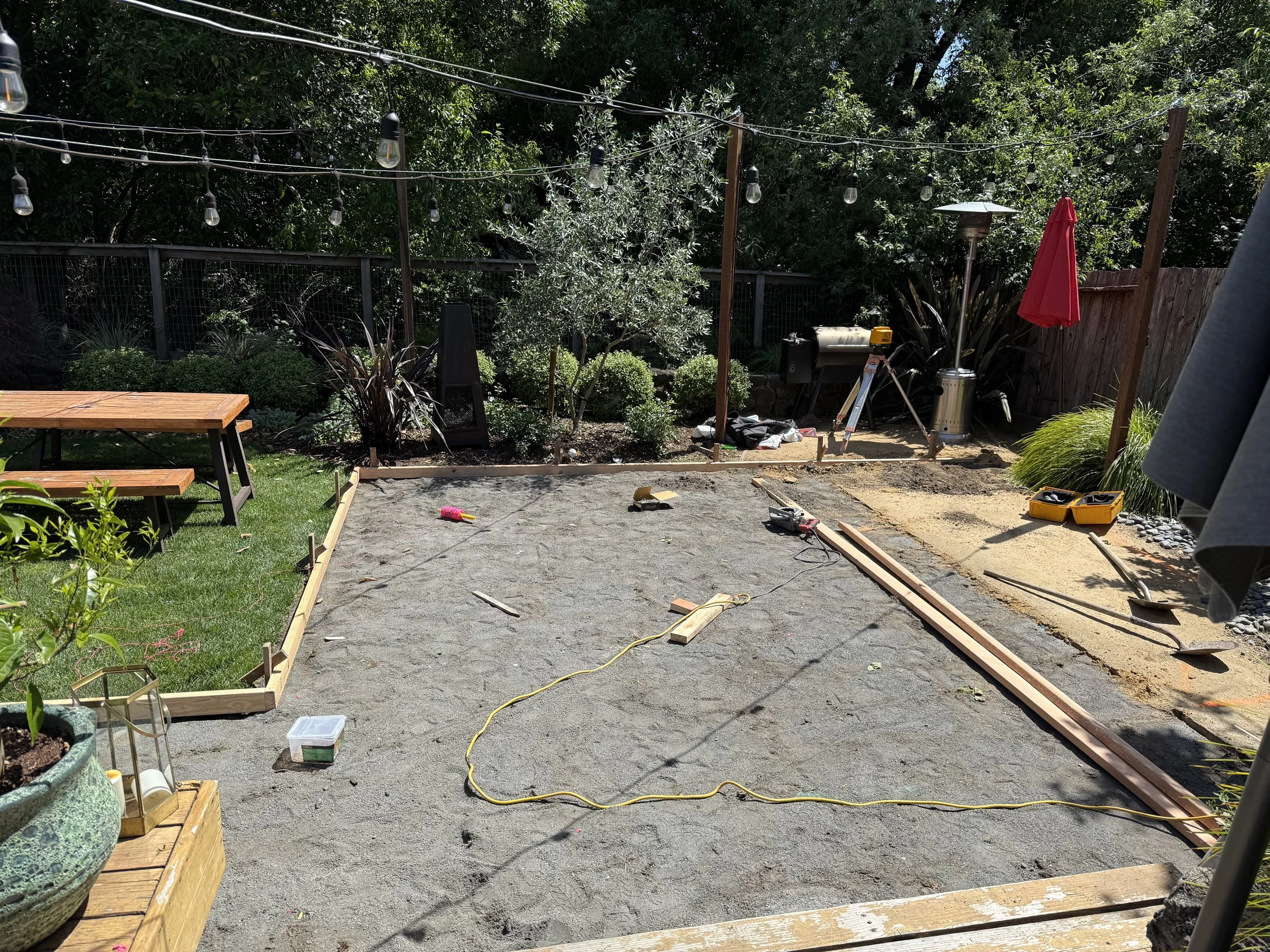
Structural elements provide the framework of your landscape and often include:
Walkways
Retaining walls
Garden steps
Fire pits and fireplaces
These permanent features create functional outdoor living spaces built to last.
Irrigation & Landscape Lighting
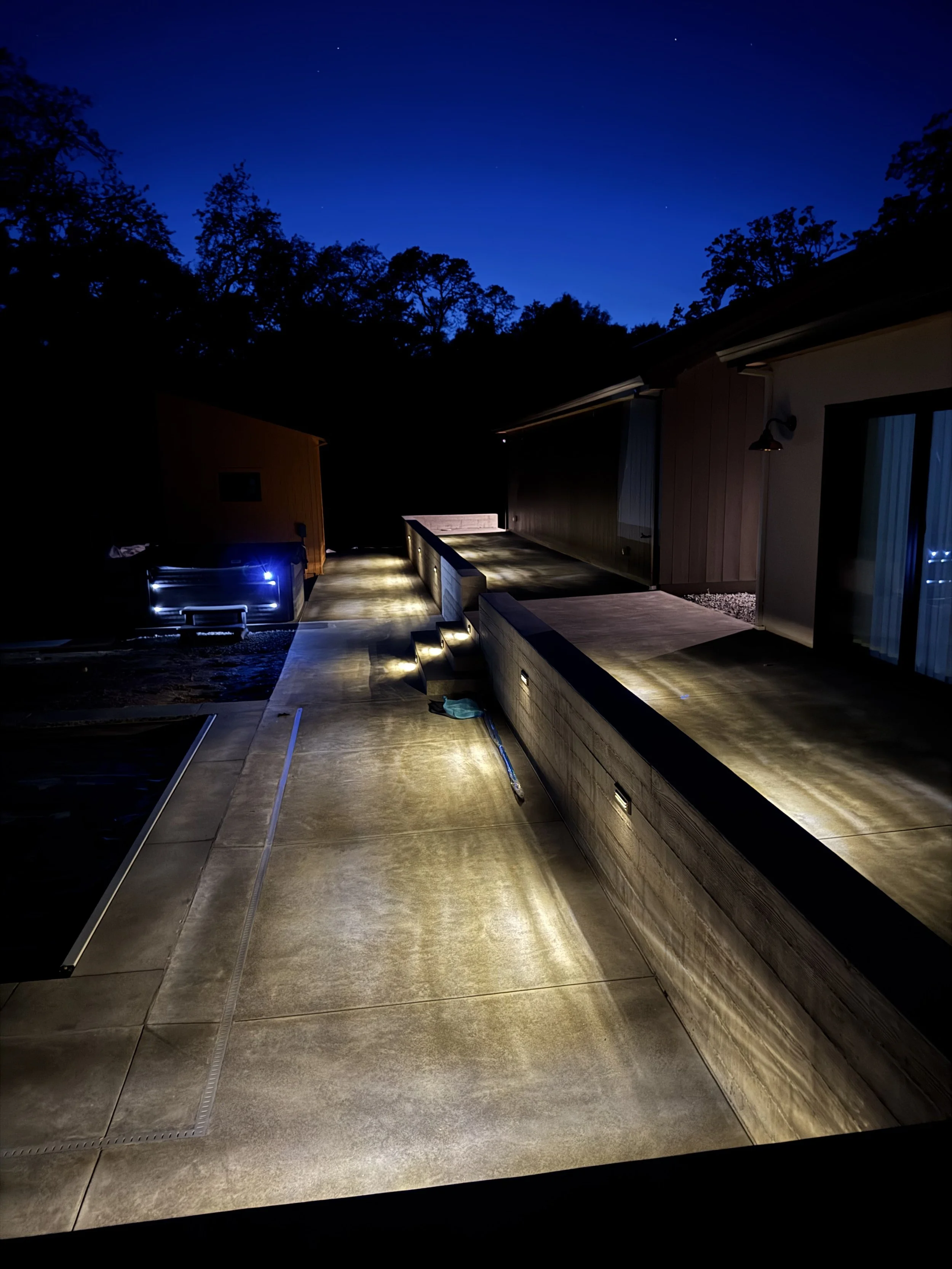
Efficient water management and lighting are installed before planting begins.
This often includes:
Smart irrigation controllers
Water-efficient spray zones
Low-voltage LED landscape lighting
These systems improve plant health while extending the enjoyment of your landscape well into the evening.
Planting & Finishing Touches
Once construction is complete, the landscape comes to life with carefully selected plants and finishing details.
Installation may include:
Trees and ornamental shrubs
Perennials and ornamental grasses
Groundcovers
Mulch
Sod or artificial turf
The finishing touches bring color, texture, and personality to the completed landscape.
8. Final Walkthrough
After construction is complete, we conduct a comprehensive walkthrough to ensure every detail meets our quality standards and your expectations.
During this visit we:
Review completed work
Inspect plant health
Demonstrate irrigation and lighting systems
Answer maintenance questions
Address any final adjustments
Our goal is to ensure you’re completely satisfied before the project is considered complete.
9. Ongoing Landscape Care
A professionally installed landscape is an investment that continues to grow and improve over time.
Proper maintenance helps protect that investment through:
Seasonal pruning
Fertilization
Irrigation adjustments
Plant health monitoring
Weed management
Routine landscape care
Our Landscape Maintenance services help Sonoma County homeowners keep their landscapes healthy, vibrant, and beautiful throughout every season.
Why a Professional Design-to-Construction Process Matters
Following a structured design and construction process offers significant benefits, including:
Clear communication from start to finish
Accurate budgeting and scheduling
Fewer unexpected changes
Better construction quality
A cohesive landscape that reflects your vision
Increased property value and curb appeal
When every phase is thoughtfully planned and professionally executed, the result is a landscape that not only looks beautiful on day one but continues to perform and mature for years to come.
Bring Your Dream Landscape to Life
At Moonlight Landscapes, we provide complete Landscape Design, installation, and Landscape Maintenance services for homeowners throughout Sonoma County. From the first consultation to the final walkthrough, our team is committed to creating outdoor spaces that are both beautiful and built to last.
Whether you’re envisioning a custom backyard retreat, elegant front yard, or complete property transformation, Contact Ustoday to schedule a consultation and discover how we can bring your landscape vision to life.