
Winter Landscape Maintenance & Perennial Pruning: Why It Matters for a Healthy, Beautiful Yard
When temperatures drop and gardens begin to go dormant, many homeowners assume landscaping can wait until spring. In reality, winter is one of the most important seasons for maintaining a healthy, attractive landscape. While many plants enter dormancy, thoughtful winter maintenance and strategic perennial pruning help protect your investment, encourage vigorous new growth, and prepare your outdoor spaces for the changing seasons.
In Sonoma County, where winters bring cool temperatures, seasonal rain, occasional frost, and winter storms, proactive landscape care helps plants thrive while keeping your property looking its best year-round. Here’s why winter maintenance matters—and how professional landscaping services can help your landscape emerge stronger and healthier in the spring.
Why Winter Landscape Maintenance Matters
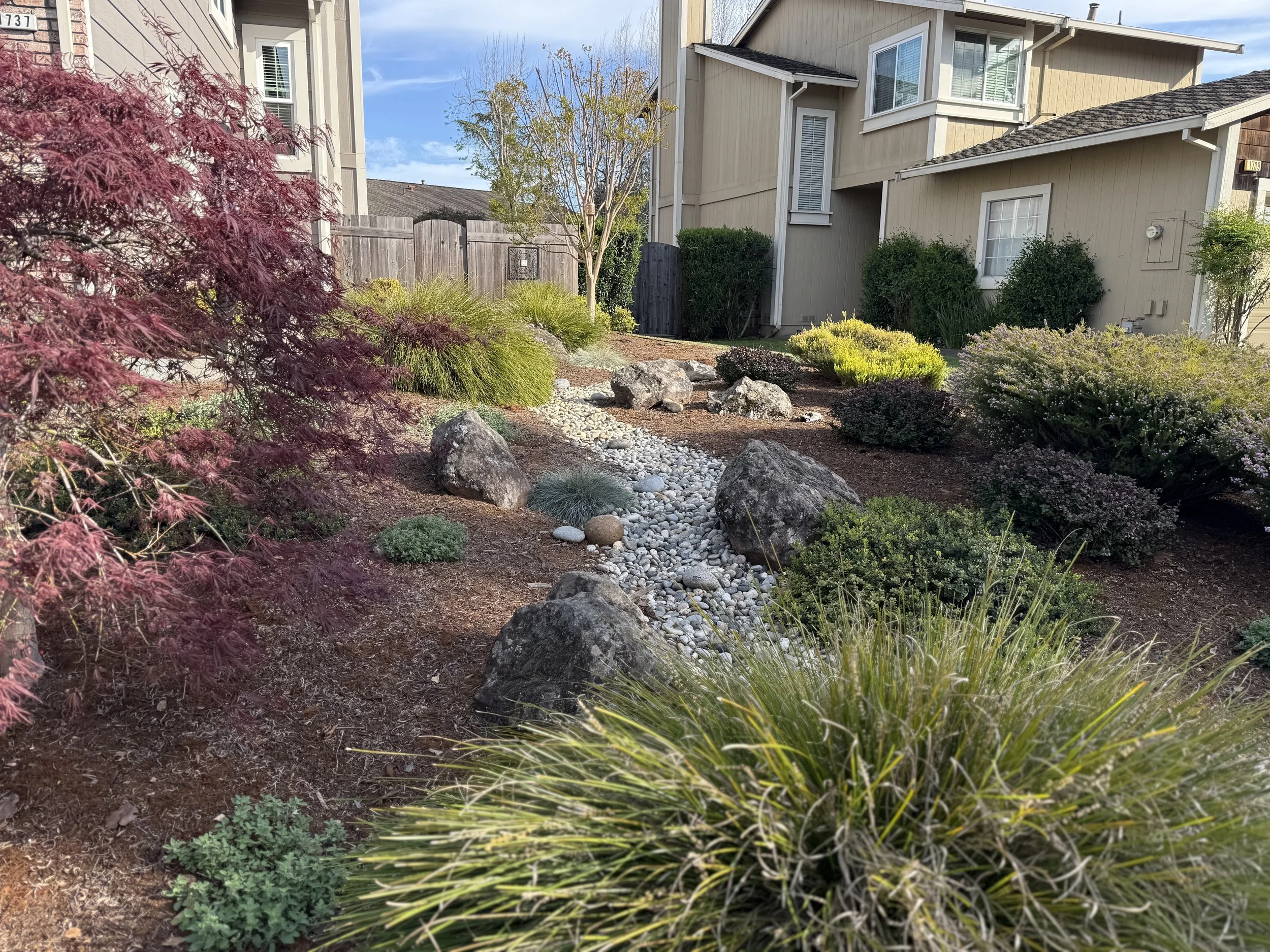
Professional winter pruning of Japanese maples and ornamental grasses helps maintain plant health, enhance structure, and prepare the landscape for vibrant spring growth.
Although your landscape may appear dormant, important changes continue beneath the surface. Plant roots remain active, soil conditions shift with seasonal rainfall, and fallen leaves and storm debris can quickly create problems if left unattended.
Routine winter maintenance helps preserve the health, safety, and appearance of your landscape while preventing small issues from becoming costly repairs.
Remove Leaves and Debris
Fallen leaves, twigs, and other organic debris may seem harmless, but they can trap moisture, promote fungal diseases, smother lawns, and create slippery walkways. Regular cleanup keeps your landscape tidy while improving air circulation and reducing potential hazards.
Protect Plants from Frost
Even in Northern California’s relatively mild climate, overnight frosts can damage tender plants and newly established shrubs. Applying fresh mulch, protecting sensitive plants, and insulating exposed root systems helps reduce winter stress and improve plant survival.
Prepare for Winter Storms
Heavy rain and seasonal winds can leave behind broken branches, clogged drainage areas, and damaged plant material. Prompt cleanup improves safety, prevents additional damage, and helps your landscape recover more quickly after storms.
Strengthen Soil and Lawn Health
Winter is an excellent time to improve soil quality before spring arrives. Adding compost, refreshing mulch, and addressing compacted soil encourages healthier root development and provides plants with the nutrients they need for vigorous spring growth.
Why Winter Is the Best Time to Prune Perennials
Winter dormancy provides an ideal opportunity to prune many perennial plants. Because plants have slowed their growth, pruning places less stress on them and allows energy to be redirected toward healthy new growth in the spring.
Proper pruning offers several important benefits.
Encourage Stronger Growth
Removing dead, damaged, or overcrowded stems allows plants to focus their energy on producing healthy new shoots when temperatures begin to rise.
Maintain Shape and Size
Routine pruning keeps perennials neat, balanced, and appropriately sized for your landscape while preventing plants from overwhelming nearby shrubs, walkways, or hardscape features.
Reduce Pests and Disease
Old foliage and spent stems often provide shelter for insects and create damp conditions where fungal diseases can develop. Cleaning up plant material during winter helps minimize these problems before the growing season begins.
Improve Winter Appearance
Even while dormant, a well-maintained landscape looks cleaner, more intentional, and better cared for. Winter pruning creates a polished appearance while preparing plants for healthy spring growth.
Which Perennials Should Be Pruned During Winter?
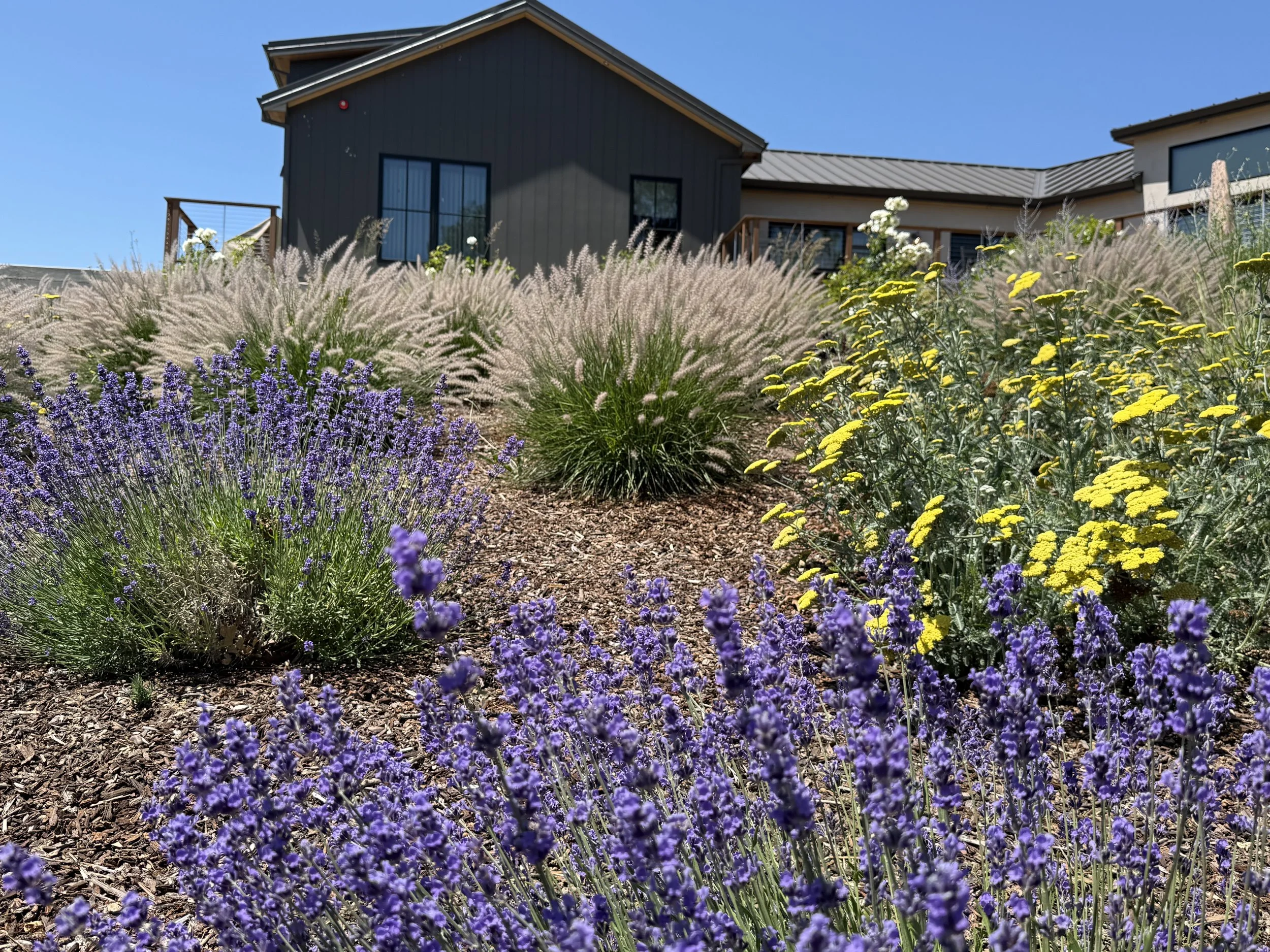
Winter pruning of ornamental grasses and perennials helps promote healthier plants, reduce disease, and prepare the landscape for a vibrant spring season.
Not every perennial should be pruned the same way. Understanding each plant’s growth habits is essential to avoid damaging future blooms or reducing plant health.
Some plants that commonly benefit from winter or late-winter pruning include:
Ornamental grasses — Cut back to approximately 6–12 inches before new spring growth emerges.
Daylilies — Remove dead foliage and spent flower stalks after dormancy.
Hostas — Cut back dead leaves to reduce pests and disease.
Coneflowers and Black-eyed Susans — Remove old stems in late winter, or leave seed heads through winter to provide food for birds before cutting them back.
Salvia — Prune after the danger of hard frost has passed to encourage vigorous new growth.
Butterfly bush — Cut back in late winter before active growth begins.
Some shade plants may require a lighter touch.
Lavender, for example, should only be lightly shaped by removing green growth and spent flower stems. Avoid cutting into old woody stems, as they often do not regenerate. Likewise, certain hydrangea varieties bloom on old wood and should not be heavily pruned during winter.
Because pruning requirements vary from plant to plant, professional knowledge helps ensure every perennial receives the proper care at the right time.
Mulching: One of Winter’s Most Valuable Landscape Practices
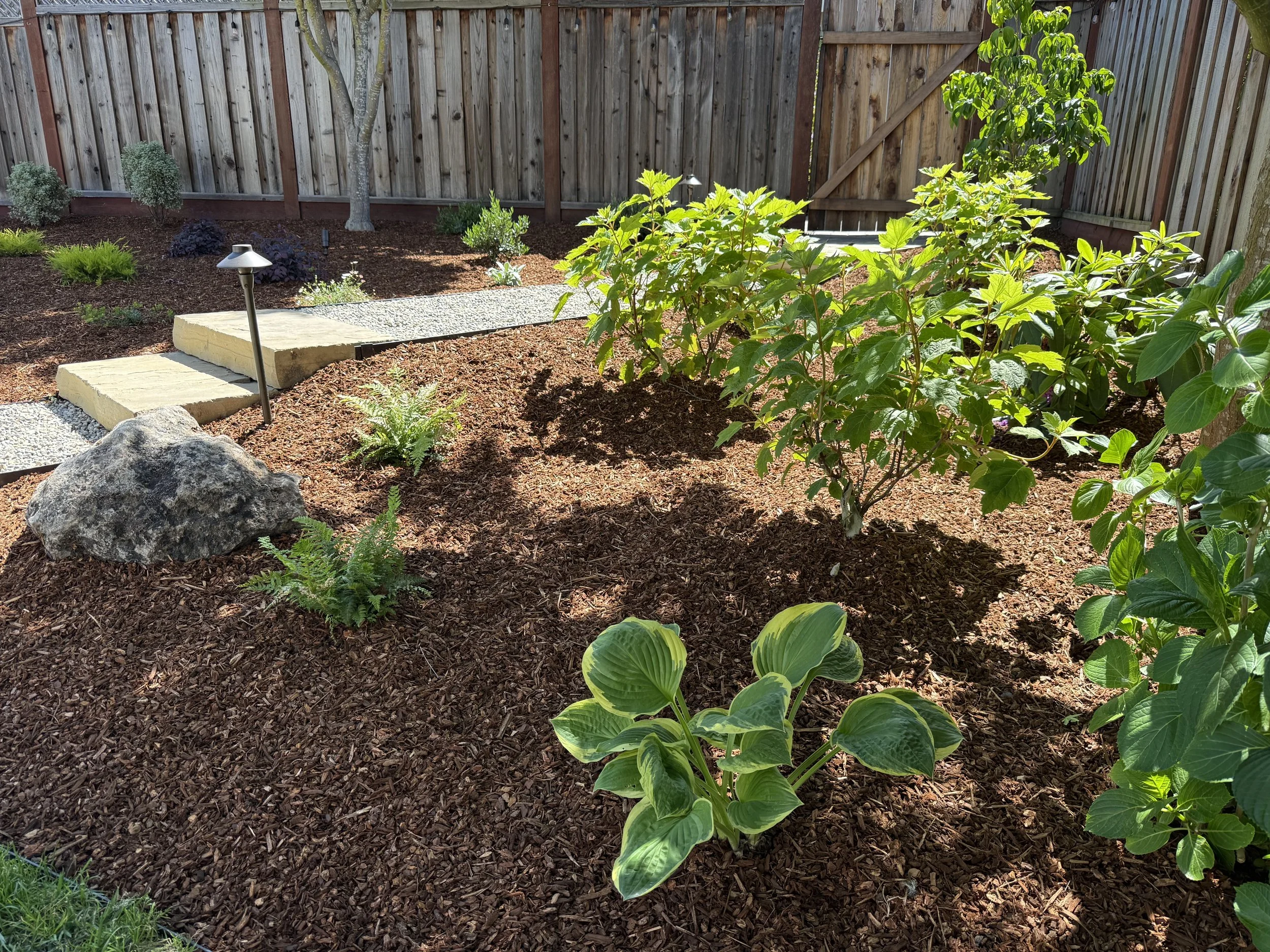
Fresh mulch protects plant roots, retains soil moisture, suppresses weeds, and gives Sonoma County landscapes a clean, finished appearance.
Applying a fresh layer of mulch during winter offers both immediate and long-term benefits for your landscape.
Quality organic mulch helps:
Insulate plant roots from temperature fluctuations
Retain valuable soil moisture
Reduce frost heaving
Suppress winter weeds
Improve soil structure as it naturally decomposes
Encourage beneficial soil microorganisms
Beyond its practical advantages, fresh mulch instantly gives planting beds a clean, finished appearance that enhances curb appeal throughout the winter months.
Prepare Your Landscape for a Successful Spring
The work completed during winter lays the foundation for a healthier landscape throughout the rest of the year.
By investing in seasonal maintenance, homeowners can enjoy landscapes that are:
Healthier and more resilient
Better shaped and easier to maintain
Less susceptible to pests and disease
Ready for vigorous spring growth
More attractive throughout every season
Rather than rushing to catch up when spring arrives, winter maintenance allows your landscape to begin the growing season in excellent condition.
Why Hire a Professional Landscaping Company?
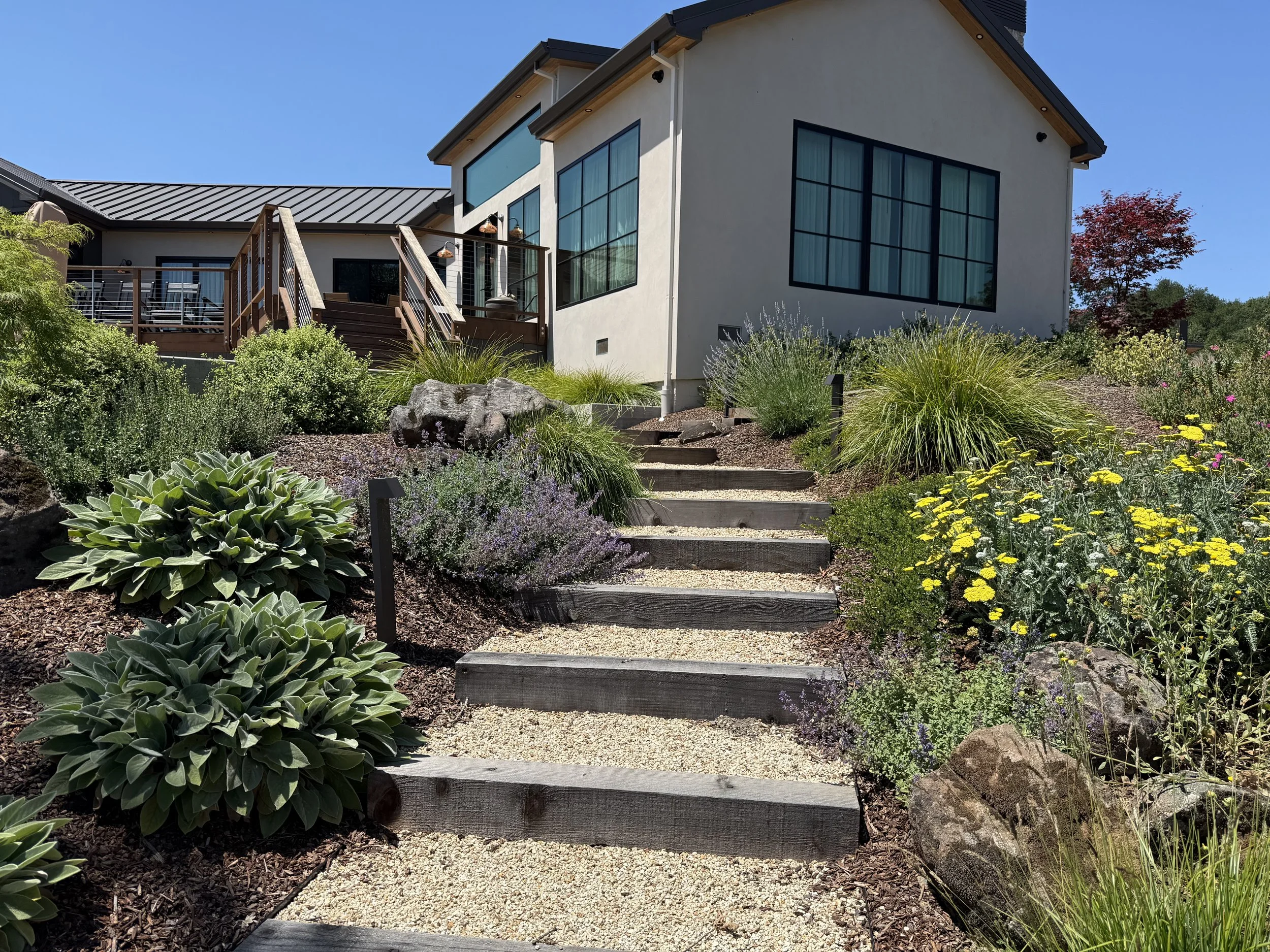
Gravel Staircase surrounded by perennials and boulders in the heart of the Wine Country.
Winter landscape maintenance requires more than simply cutting back plants. Knowing which species to prune, when to prune them, and how much to remove takes experience and careful planning.
Professional landscapers understand seasonal plant care, local growing conditions, and the unique needs of Sonoma County landscapes. They also recognize potential issues—such as drainage problems, storm damage, or declining plant health—before they become larger concerns.
Working with an experienced landscaping company provides peace of mind through:
Expert perennial pruning
Seasonal cleanup and debris removal
Storm damage assessment and cleanup
Mulch installation
Soil improvement
Ongoing landscape maintenance
Professional care tailored to Northern California’s climate
Regular winter maintenance protects the investment you’ve made in your landscape while ensuring your outdoor spaces remain beautiful throughout the year.
Winter Landscape Care in Sonoma County
Sonoma County’s Mediterranean climate offers relatively mild winters, making it one of the best times of year to perform essential landscape maintenance. Cooler temperatures reduce stress on plants, while seasonal rainfall supports healthy root development.
Winter is also an ideal time to evaluate your landscape, refresh planting beds, improve drainage, inspect irrigation systems, and prepare for new projects before the busy spring season begins.
With proper care during the winter months, your landscape will be healthier, stronger, and ready to flourish when warmer weather returns.
Trust Moonlight Landscapes with Your Winter Landscape Maintenance
At Moonlight Landscapes, we help homeowners throughout Sonoma County protect and enhance their landscapes during every season. From professional perennial pruning and seasonal cleanup to complete landscape maintenance services, our experienced team understands how to keep Northern California landscapes healthy, beautiful, and thriving year-round.
Whether you’re preparing your garden for spring or looking for reliable year-round landscape maintenance, we’re here to help you get the most from your outdoor living space.
Final Thoughts
Winter may seem like a quiet season in the garden, but the care you provide now has a lasting impact on your landscape’s health and appearance. Thoughtful winter maintenance and proper perennial pruning encourage stronger plants, reduce pests and disease, improve curb appeal, and set the stage for vibrant spring growth.
By investing in your landscape during the winter months, you’ll enjoy a healthier, more beautiful yard that continues to thrive through every season.