
Choosing the Best Grass for Your Lawn: Native, Fescue, Shade-Tolerant, and Alternative Options
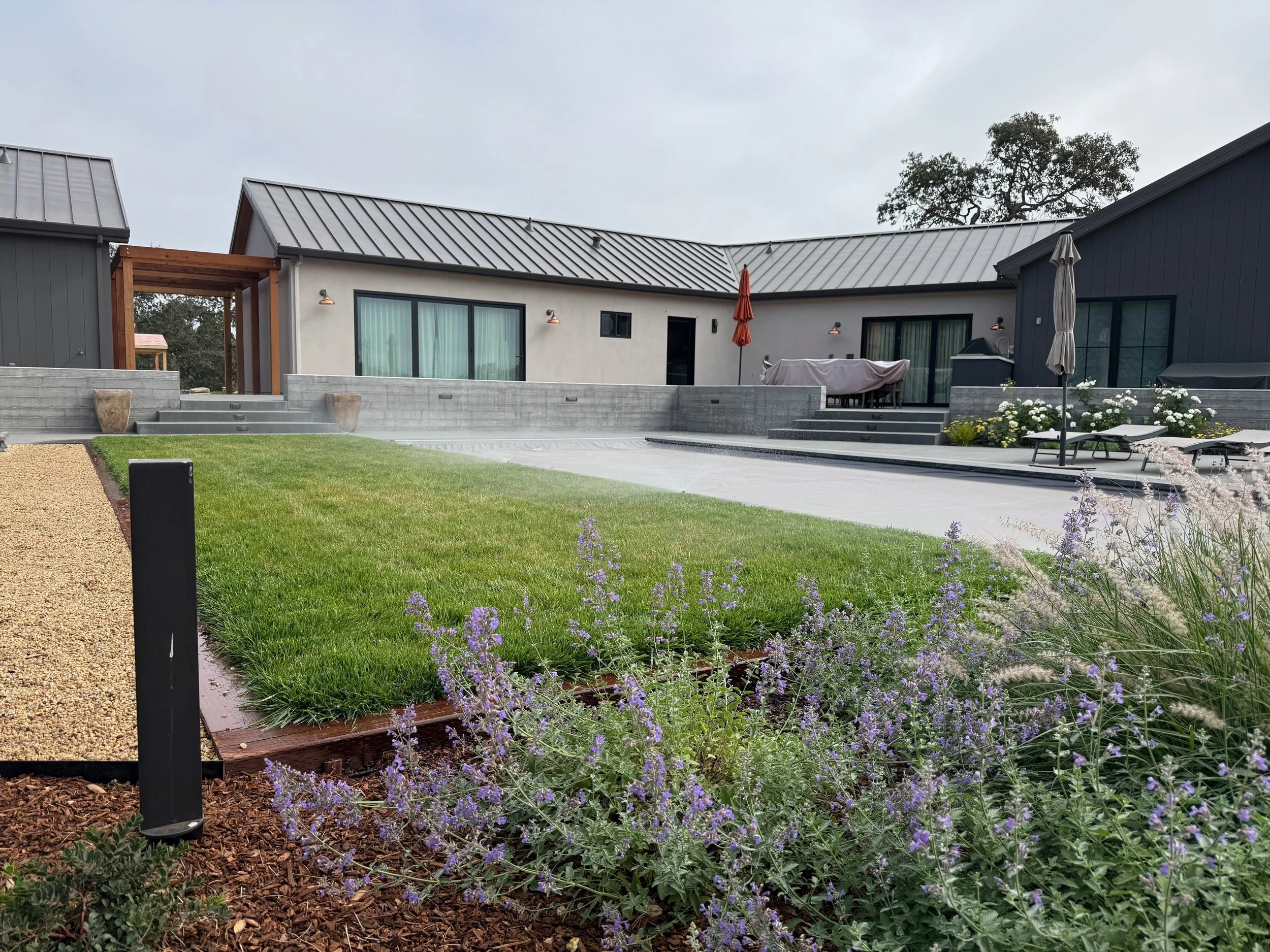
A professionally installed residential lawn in Sonoma County combining lush grass with drought-tolerant planting, ornamental grasses, natural stone, and a modern outdoor living area.
Choosing the right type of grass is one of the most important decisions when creating a healthy, attractive lawn. The best choice depends on several factors, including climate, sunlight, soil conditions, water availability, foot traffic, and how much maintenance you want to provide.
For homeowners in Santa Rosa and throughout Sonoma County, selecting the right lawn can be especially important. Northern California’s dry summers mean that some grasses require significantly more irrigation and maintenance than others.
From native no-mow grasses and tall fescue to fine fescue, shade blends, and lawn alternatives, there are several options to consider.
Native Grass and No-Mow Lawn Options
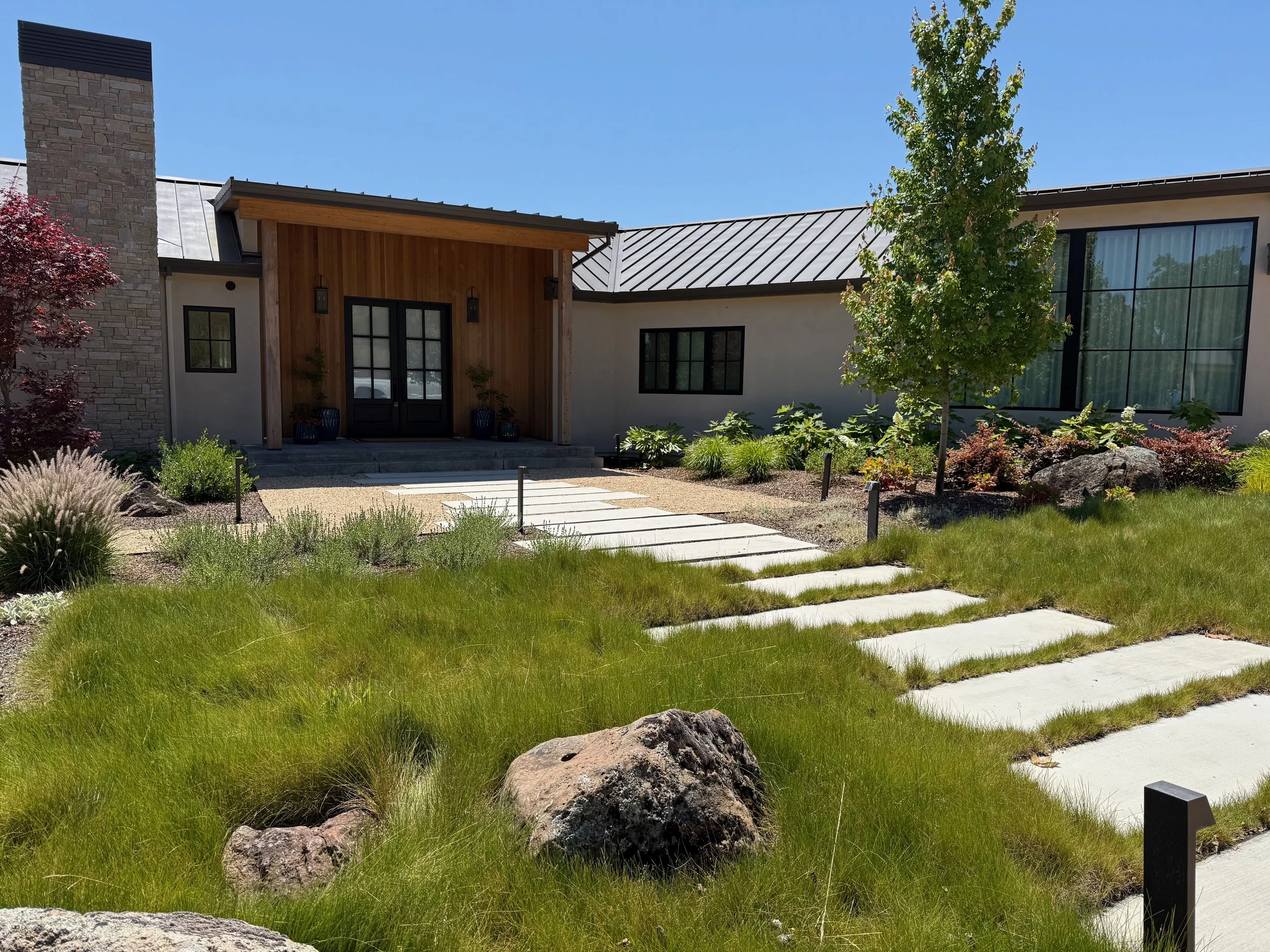
Native and low-growing grass options can provide an attractive alternative to a traditional, frequently mowed lawn. Depending on the species and site conditions, native grasses can be used for meadow-style landscapes, naturalistic planting areas, and lower-maintenance lawn alternatives.
Native and low-growing grass options can provide an attractive alternative to a traditional, frequently mowed lawn. Depending on the species and site conditions, native grasses can be used for meadow-style landscapes, naturalistic planting areas, and lower-maintenance lawn alternatives.
Benefits of Native and No-Mow Grasses
Native and no-mow landscape options can offer:
Reduced mowing requirements
Reduced irrigation once established, depending on species and site
A more natural appearance
Greater integration with surrounding native plantings
Best Uses
Native and no-mow grasses are particularly well suited for homeowners who want a more natural landscape. They can work well in larger properties, meadow-style gardens, rural landscapes, and lower-traffic areas.
They are generally not intended to perform like a traditional sports lawn. If children, pets, or frequent outdoor activities will place heavy demands on the lawn, a more durable turf variety may be a better choice.
Tall Fescue Grass
Tall fescue is a popular cool-season turfgrass that can perform well in many residential landscapes throughout Northern California.
Tall fescue is a popular cool-season turfgrass that can perform well in many residential landscapes throughout Northern California.
Its extensive root system can help improve drought tolerance compared with shallow-rooted turf varieties, although established tall fescue still requires supplemental irrigation during Santa Rosa’s dry summer months.
Key Characteristics
Tall fescue offers:
Good durability
Tolerance of moderate foot traffic
Adaptability to full sun and some partial shade
A relatively coarse but attractive texture
Good year-round performance when properly maintained
Best Uses
Tall fescue is a strong option for active residential lawns used by families, children, and pets. It can also work well when homeowners want a conventional green lawn but still want a grass variety suited to Northern California conditions.
Proper irrigation, mowing, fertilization, and seasonal maintenance are important for maintaining a healthy tall fescue lawn.
Fine Fescue Grass
Fine fescue describes a group of fine-textured grasses that includes varieties such as creeping red fescue, hard fescue, and Chewings fescue.
These grasses are known for their narrow blades and ability to tolerate lower-light conditions.
Advantages of Fine Fescue
Fine fescues can provide:
Fine, soft texture
Good shade tolerance
Lower fertilizer requirements
Adaptability to some poorer soils
A refined appearance
Best Applications
Fine fescue can be a good choice for lower-traffic residential areas and landscapes with partial shade. It generally does not tolerate heavy foot traffic as well as tall fescue, making site use an important consideration.
For Sonoma County properties with significant tree cover or shaded areas, selecting an appropriate fine fescue variety can provide better results than trying to grow a full-sun turfgrass in low-light conditions.
Shade-Tolerant Grass Blends
One of the biggest challenges in lawn installation is growing grass where sunlight is limited.
Areas beneath mature trees, alongside buildings, or between structures may receive only a few hours of direct sunlight each day. In these situations, a shade-tolerant seed blend may perform better than a single grass species.
Shade blends commonly include combinations of:
Fine fescues
Other shade-tolerant turfgrasses
Varieties selected for lower-light conditions
Before installing a shade lawn, it is important to evaluate the amount of sunlight the area actually receives. Grass still requires sufficient light to grow, and heavily shaded locations may be better suited to groundcovers, mulch, or other landscape solutions.
Alternatives to Traditional Lawns
A traditional lawn isn’t always the best solution for every property. Homeowners interested in reducing irrigation, mowing, and maintenance may want to consider alternatives.
Clover
Clover can create a low-growing groundcover with a different appearance from traditional turf. Some clover varieties are also attractive to pollinators.
Warm-Season Grasses
Grasses such as Bermuda and zoysia can perform well in appropriate warm-season climates and locations. However, their performance and winter appearance should be considered when selecting them for Northern California properties.
Groundcovers
Low-growing groundcovers can be an excellent alternative for areas where a traditional lawn isn’t necessary.
Depending on site conditions, options may include:
Sedge
Creeping thyme
Other low-growing groundcovers
Groundcovers can be particularly useful around pathways, planting beds, under trees, and in areas where the lawn receives limited use.
Native and No-Mow Grasses vs. Traditional Turf
The biggest difference between native or no-mow landscapes and traditional lawns is how the space is intended to function.
A traditional turf lawn is generally designed for:
Recreation
Children and pets
Outdoor games
Frequent foot traffic
A consistently manicured appearance
Native or no-mow landscapes are generally better suited to:
Naturalistic landscapes
Meadow-style planting
Larger properties
Lower-traffic areas
Habitat gardens
Reduced-maintenance landscapes
Choosing between the two should begin with how you actually plan to use the space.
How to Choose the Best Grass for Your Lawn
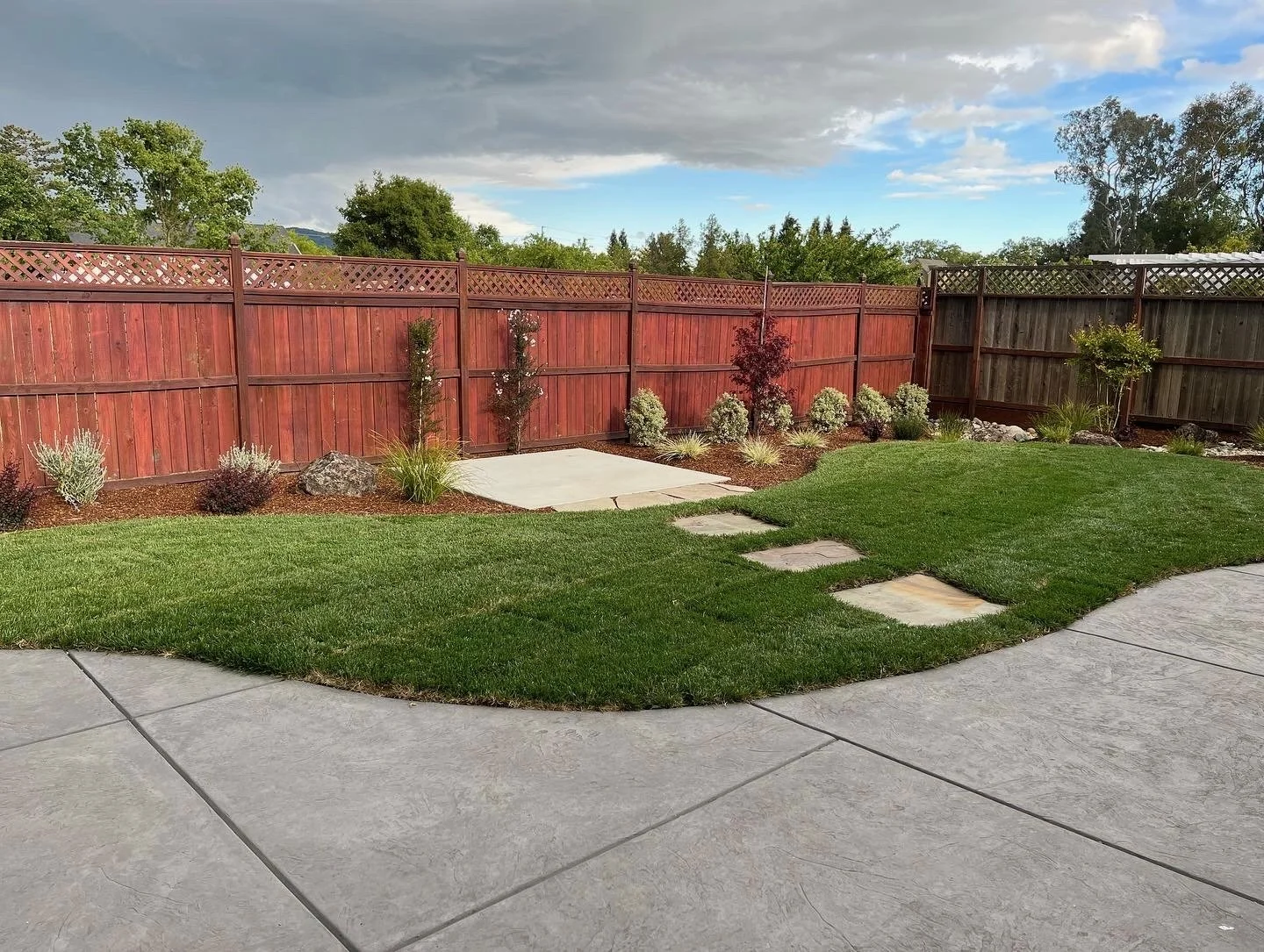
There is no single grass type that is perfect for every property. The best lawn depends on the site’s sunlight, soil, drainage, irrigation, intended use, and overall landscape design.
Before selecting a grass variety, evaluate the conditions of your property.
Sunlight
Determine how much direct sunlight the lawn receives throughout the day. Full-sun lawns have different requirements than areas beneath trees or alongside buildings.
Water Availability
Consider how much irrigation you are willing to provide. A traditional lawn may require regular summer irrigation, while some alternative landscapes can be designed to use substantially less water.
Foot Traffic
Think about how the lawn will be used. A lawn for children, pets, and outdoor games needs to tolerate significantly more traffic than a decorative lawn.
Maintenance
Consider how often you are willing to mow, fertilize, irrigate, aerate, and overseed the lawn.
Soil and Drainage
Poor drainage, compacted soil, or unsuitable soil conditions can cause problems regardless of the grass variety you choose. Preparing the site correctly before installation can make a significant difference in long-term performance.
Consider a Professional Lawn Installation
There is no single grass type that is perfect for every property. The best lawn depends on the site’s sunlight, soil, drainage, irrigation, intended use, and overall landscape design.
For homeowners in Santa Rosa and throughout Sonoma County, professional site evaluation can help determine whether traditional turf, native grasses, no-mow options, or another lawn alternative makes the most sense.
At Moonlight Landscapes, we design and install lawns and water-conscious landscapes tailored to each property’s conditions and the homeowner’s lifestyle. From traditional turf and irrigation systems to native and low-maintenance planting, we can help create an outdoor space that is both functional and beautiful.
Ready to choose the right lawn for your property? Contact Moonlight Landscapes to discuss lawn installation and landscape design in Santa Rosa and throughout Sonoma County.