
The Beauty and Benefits of Using Ornamental Grasses in the Landscape
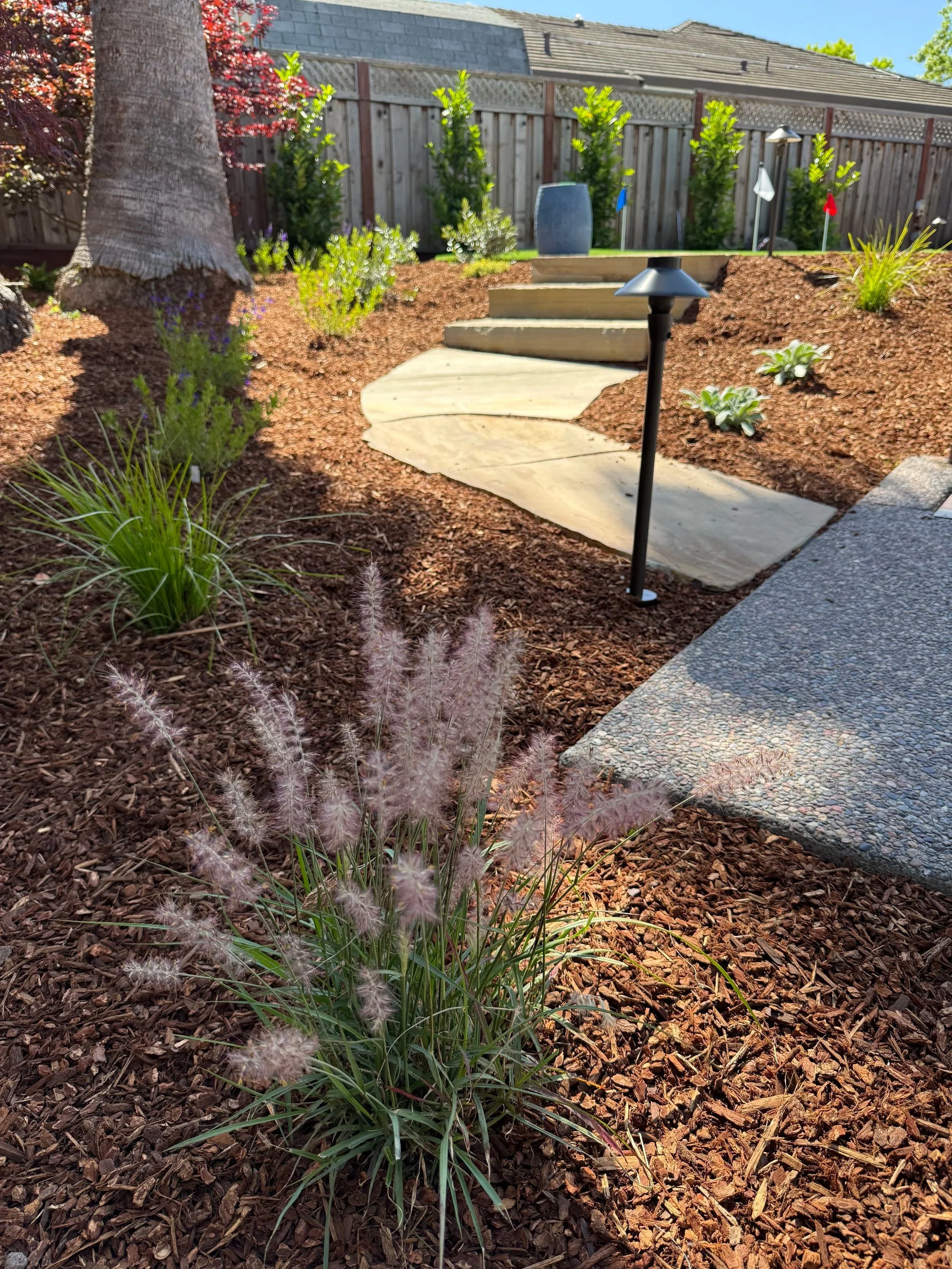
Ornamental grasses have become one of the most versatile and impactful elements in modern landscape design. Whether you’re working with a small residential yard or a sprawling commercial property, these graceful plants bring movement, texture, and year-round interest to outdoor spaces. From soft, flowing varieties that sway in the breeze to bold, structural grasses that make a statement, ornamental grasses can elevate almost any landscape style.
Low Maintenance and Water Efficient
Many ornamental grasses are naturally drought-tolerant, making them an excellent choice for eco-friendly landscapes—especially in regions with hot, dry summers like Northern California. Once established, most varieties require minimal irrigation and very little ongoing maintenance. A simple annual cutback is often all they need to thrive.
Seasonal Interest
Unlike many flowering plants that look great only during part of the year, ornamental grasses offer multi-season beauty. Their fresh green growth in spring transitions to dramatic plumes in summer and a warm, golden tone in fall. Even in winter, dried seed heads and textured stalks add structure and visual interest.
Texture, Movement, and Contrast
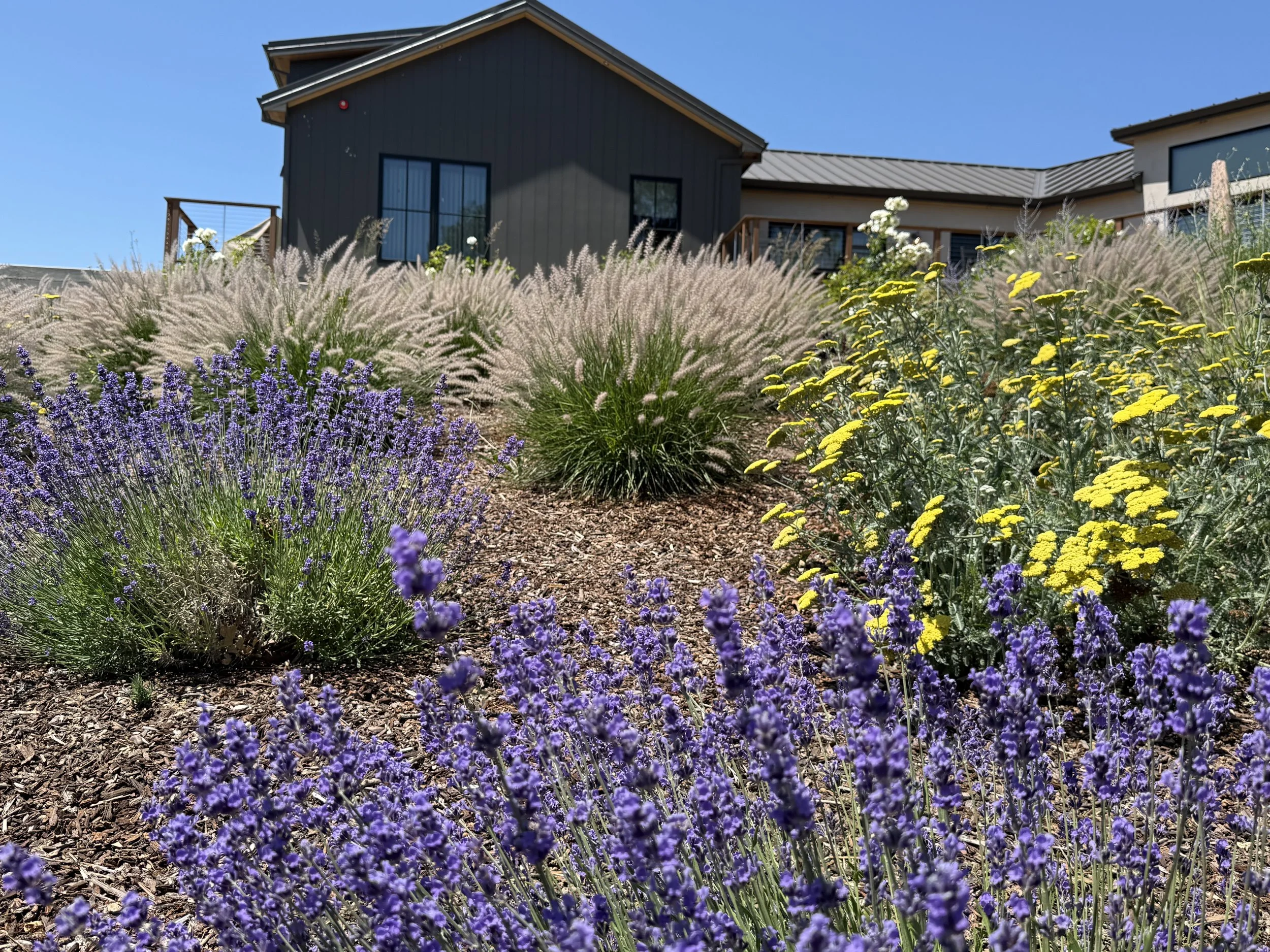
Grasses bring a sense of motion that other plants can’t achieve. The way they sway with the breeze softens hardscape lines and creates a feeling of depth. They also provide excellent contrast when paired with shrubs, succulents, perennials, and boulders. In design, contrast = interest, making grasses a key tool for creating dynamic spaces.
Great for Small or Large Spaces
From compact clumping grasses perfect for tight planting beds to larger varieties that work beautifully in borders, along pathways, and as dramatic focal points—there’s a grass for every landscape application.
Top Ornamental Grasses to Consider
1. Feather Reed Grass (Calamagrostis ‘Karl Foerster’)
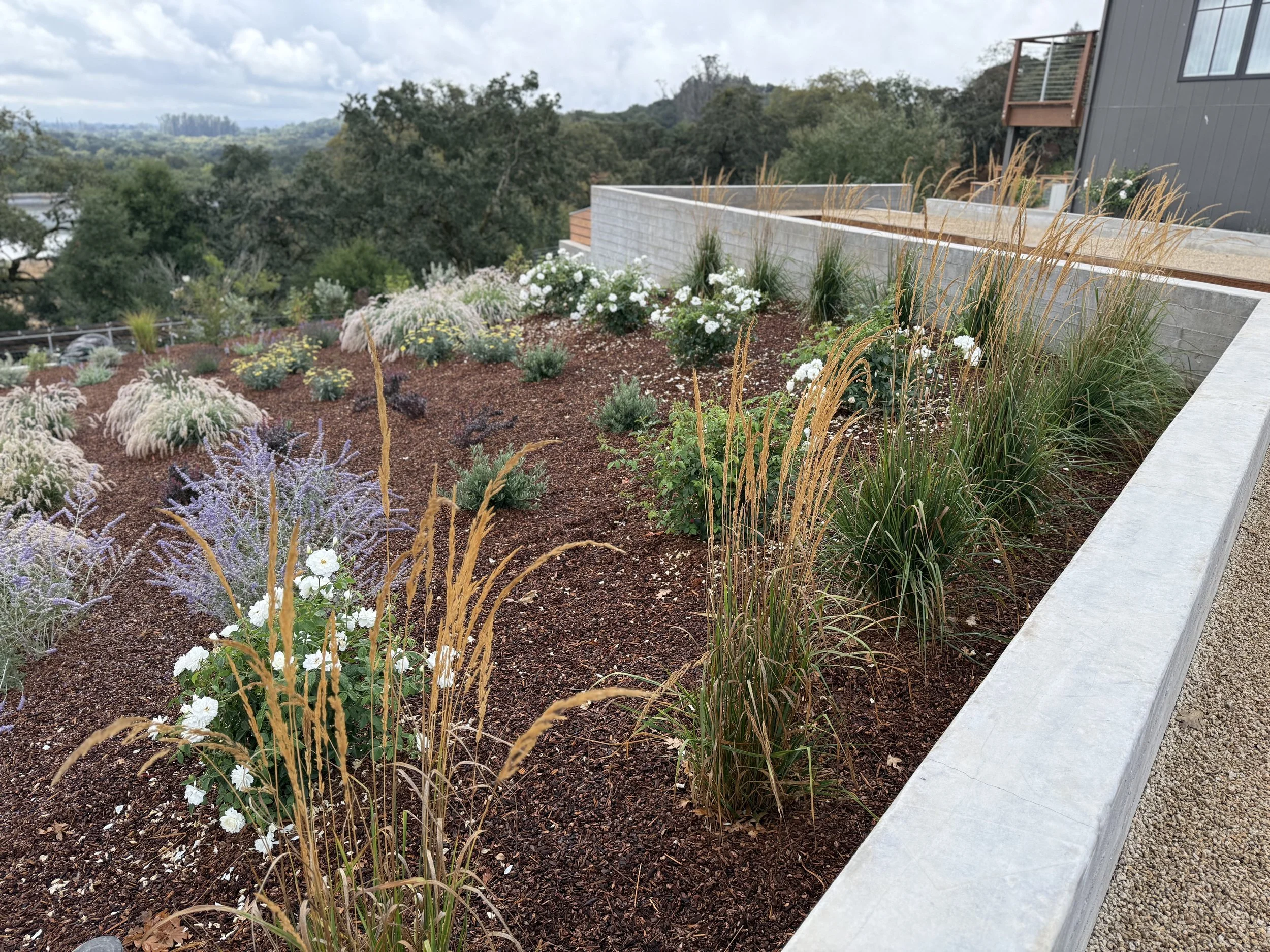
A classic vertical grass known for its tall, narrow structure. Ideal for creating rhythm and repetition along fences or walkways.
2. Fountain Grass (Pennisetum Orientale)
Loved for its soft, arching form and fluffy seed heads. Works well in mass plantings or as an accent.
3. Blue Fescue (Festuca glauca)
Compact and eye-catching with its blue-gray foliage. Perfect for borders, rock gardens, and drought-tolerant designs.
4. Deer Grass (Muhlenbergia rigens)
A California native that performs wonderfully in dry landscapes. Great for naturalistic or modern designs.
5. Pink Muhly Grass (Muhlenbergia capillaris)
Famous for its vibrant pink “cloud” of plumes in fall. Adds a bold, artistic touch to any yard.
How to effectively use ornamental grasses in the landscape

Planting grasses in groups creates a sweeping, modern look that draws the eye and fills large spaces efficiently.
Grasses pair beautifully with stone, gravel, and pavers. The soft texture balances the solid weight of hardscape elements.
Low-growing grasses make excellent natural borders around pathways, patios, and garden beds.
Tall varieties can serve as a softer alternative to hedges or fences, offering privacy without feeling heavy or overgrown.
Grasses become even more dramatic when illuminated with low-vloltage landscape lighting. Their plumes catch the light, creating a glowing effect at night.
Maintenance Tips
Cut back most grasses in late winter or early spring.
Avoid overwatering—most varieties prefer well-draining soil.
Divide larger grasses every few years to keep them healthy and full.
Remove old seed heads if self-seeding is a concern.
Final Thoughts
Ornamental grasses are one of the most effective ways to bring texture, beauty, and sustainability to a landscape. They adapt well to a range of design styles—from natural and rustic to clean and modern—and provide year-round appeal with very little maintenance. Whether you’re looking to enhance curb appeal, create visual movement, or design a more water-efficient landscape, ornamental grasses are a smart and stylish choice.